

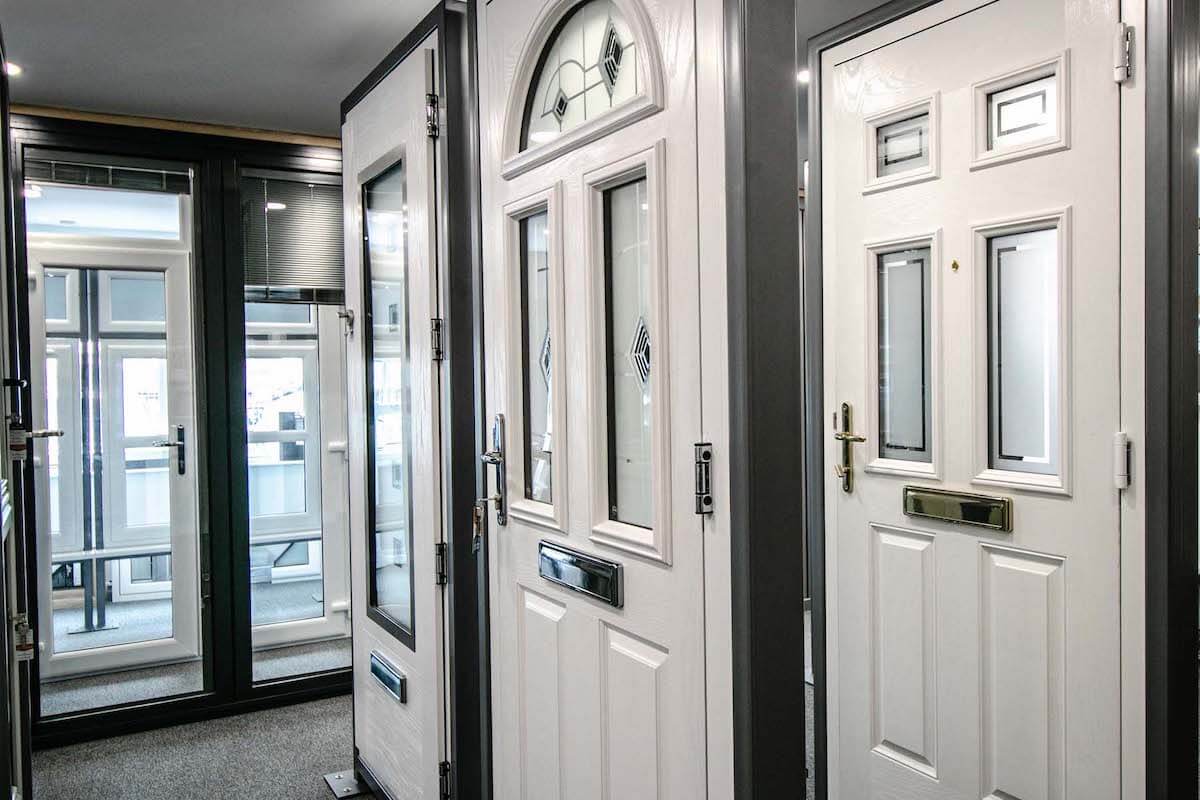

What Is A Composite Door?
- 24 September 2026
- News
Choosing a new front door is about far more than finding a colour you like. Your entrance plays an important role in the security, energy efficiency and appearance of your property, so it is worth taking the time to find a door that ticks every box.
This is where composite doors have become a popular choice. Designed using a combination of materials rather than just one, they bring together many of the qualities homeowners look for in a modern entrance. They are strong, easy to maintain, available in a huge range of designs and built to cope with everyday use and changing British weather.
But what is a composite door, and how does it differ from alternatives such as uPVC? Having spent more than 20 years helping homeowners choose new windows and doors, our Crown Windows team knows there is plenty to consider before making your decision.
Whether you are replacing an older entrance or choosing doors as part of a wider home renovation, our guide covers the key questions you should ask before deciding whether a composite door is right for you.
What Is A Composite Door? Your Questions Answered
A composite door is an external door constructed from a combination of materials. Each material is chosen for a particular purpose, helping the finished door provide the strength, insulation, durability and appearance expected from a modern entrance.
For homeowners exploring new doors in Milton Keynes, composite doors offer plenty of flexibility. They are available in traditional and contemporary designs, meaning you can create an entrance that feels at home on your property without compromising on practical features.
To help you decide whether this style is right for you, we will answer:
- What Are Composite Doors?
- What Are Composite Doors Made Of?
- What Are The Benefits Of Composite Doors?
- How Secure Are Composite Doors?
- What Is Better, uPVC Or Composite Doors?
- How Much Are Composite Doors?

What Are Composite Doors?
The clue is in the name. A composite door is made by combining different materials within a single design rather than relying primarily on one.
These materials work together to provide different benefits. Some components help strengthen the door, while others provide insulation, weather resistance or the finished appearance.
Composite doors are most commonly installed as external doors, particularly at the front of a property. One of their biggest advantages is their ability to combine the character of a more traditional entrance with the practical features expected from a modern door.
This also means there is no single style that defines a composite door. Depending on your property and personal taste, you might opt for a traditional panelled design with decorative glazing or choose something much cleaner and more contemporary.
Here at Crown Windows, our GRP composite doors include products from manufacturers such as Universal, Apeer and Solidor. With an extensive choice of colours, glass and finishing touches available, your new entrance can be personalised to complement the rest of your home.
What Are Composite Doors Made Of?
Although the exact construction varies between manufacturers and product ranges, composite doors generally use several materials to create the complete doorset.
One material you will often see mentioned is GRP, which stands for Glass Reinforced Plastic. This can be used to create the external skin of a composite door, providing a durable surface that can also recreate the appearance and texture of a traditional painted or timber-style entrance.
Behind the external surface sits the core. Depending on the manufacturer and product, this may be an insulating foam or solid core designed to contribute towards the door’s strength and thermal performance.
The door is then fitted within its frame and completed with the chosen glazing, seals, hinges, locks and hardware.
Each element has a role to play. Your door needs to cope with frequent use while also being exposed to rain, wind, sunlight and temperature changes throughout the year. At the same time, it needs to help keep your property comfortable and secure.
For this reason, it is important not to assume that every composite door is exactly the same. Construction, energy efficiency and security specifications can differ between products, so always compare the complete doorset when narrowing down your options.
What Are The Benefits Of Composite Doors?
Composite doors are designed to offer a balance of style and everyday practicality. While your priorities will depend on your property, there are several reasons they remain a popular choice among homeowners.
Low Maintenance
If you love the character of a traditional entrance but would rather avoid regular sanding, painting or staining, a composite door can offer the best of both worlds.
The finished external surface is designed to be relatively easy to maintain, so routine cleaning is generally all that is needed to keep your door looking smart.
Warm, mild soapy water and a soft cloth or sponge can be used to remove everyday dirt. Harsh chemicals and abrasive materials are best avoided unless recommended by the manufacturer, as they could damage the finish or hardware.
Although some composite doors can technically be painted, this is not usually something you need to do. The colour is part of the manufactured finish, and painting it yourself could affect both its appearance and warranty. If you ever want to change the colour, check the manufacturer’s guidance before making alterations.
Thermal Efficiency
Your windows and external doors all contribute towards how effectively your property retains heat.
Composite doors are designed with thermal performance in mind, with their core, glazing and seals helping to reduce heat transfer through the entrance.
This can be particularly beneficial when replacing an older front door that has become draughty or no longer seals correctly. And if your new door forms part of a wider renovation involving double glazing in Milton Keynes, upgrading older windows and doors gives you an opportunity to improve several areas of the property’s thermal envelope at once.
For more information about the standards surrounding energy efficiency in homes, you can refer to the Government’s Approved Document L.
Weather Resistance
From freezing winter mornings to warm summer afternoons, your front door is exposed to changing conditions throughout the year.
The materials used within composite doors are designed to provide durability and weather resistance, making them well suited to the British climate.
This durability also makes a quality composite door a long-term home improvement. There is no single lifespan that applies to every product, as this depends on factors such as the door itself, installation, exposure, maintenance and everyday use.
It is therefore worth checking the warranty when comparing options. Crown Windows products come with a 10-year warranty as standard, giving you additional reassurance after installation.
Noise Reduction
A front door can also influence how much outside noise makes its way into your home.
The dense, layered construction of a composite door can help with sound insulation, particularly when combined with suitable glazing and effective seals.
The exact results will depend on the complete doorset and your surroundings, but this may be especially useful if your property faces a busy road or you simply want to create a quieter home.
Customisable Appearance
Practical benefits are important, but your front door is also one of the first features people see when they arrive at your home.
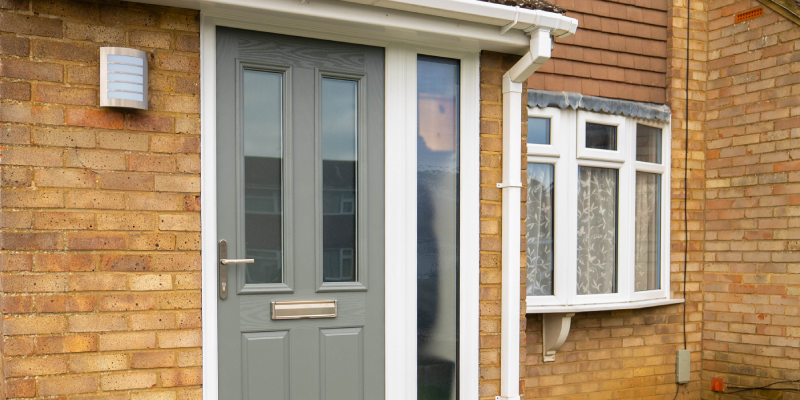
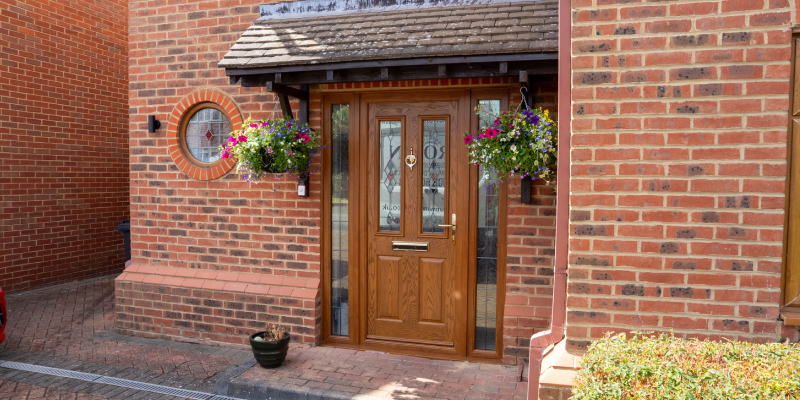
Composite doors are available in an extensive range of traditional and contemporary styles, allowing you to choose a design that complements your property’s character.
Colours can range from timeless black, white and grey through to softer shades such as Chartwell Green and more distinctive statement colours. Depending on your chosen product, you can then personalise the glazing, handles, knockers, letterplates and other hardware.
The result is an entrance that feels designed for your home rather than simply added to it.
How Secure Are Composite Doors?
When choosing a new entrance, appearance is only half of the story. Understandably, homeowners also want to know: how secure are composite doors?
A well-specified composite doorset can offer excellent security, combining a robust door leaf with strong frames, hardware and modern locking systems.
For example, Crown Windows’ composite door range features high-security multipoint locking. Instead of securing the entrance at just one point, these systems engage at several positions along the door when locked.
However, security should never be judged purely by the fact that a door is described as composite.
The complete doorset matters. This includes the frame, locks, cylinders, hinges, glazing and how everything has been installed. A high-quality door will only perform as intended when all of these elements work together.
When comparing products, it is also worth looking for recognised independent security testing. Secured by Design, the official police security initiative, provides useful information about standards such as PAS 24, which is used to assess the enhanced security performance of doorsets.
Its guidance on locks and associated hardware is also useful if you want to understand more about the different components involved in securing an entrance.
If security is one of the main reasons you are replacing your current front door, ask about the specifications and testing of the complete product rather than choosing based on thickness or appearance alone.

What Is Better, uPVC Or Composite Doors?
If you have started researching new front doors, you have probably come across another common question: what is better, uPVC or composite doors?
Both can be excellent choices. The right one comes down to your priorities, budget and the look you want to achieve.
One of the main differences is how they are constructed. uPVC doors primarily use unplasticised polyvinyl chloride within their frame and panel construction, whereas composite doors combine several materials.
When comparing your options, think about the following:
Cost: uPVC is typically the more budget-friendly option, making it a popular choice when keeping the initial investment down is a priority.
Appearance: Both are available in a wide choice of colours and styles. However, composite doors are particularly popular with homeowners who want a substantial entrance or a finish that recreates more of the character associated with traditional timber.
Maintenance: Both uPVC and composite doors are relatively easy to look after and do not require the regular painting and treatment associated with traditional timber.
Energy Efficiency: Both can provide good thermal performance when you choose a quality product. Instead of assuming one material will always outperform the other, compare the energy specifications of the individual doorsets.
Security: Modern uPVC and composite doors can both incorporate multipoint locking and other security features. Again, look at the specification and independent testing of the complete doorset.
Ultimately, neither option is automatically right for every property.
If you are struggling to decide, seeing both in person can make a huge difference. You can compare how the materials look and feel while exploring colours, glazing and hardware before making your final choice.
How Much Are Composite Doors?
Once you have settled on the style of door you want, the next question is usually price.
There is no single answer to how much a composite door costs because every entrance can be different. The final price will depend on both the product you choose and how you personalise it.
Factors that can influence the cost include:
- The manufacturer and product range
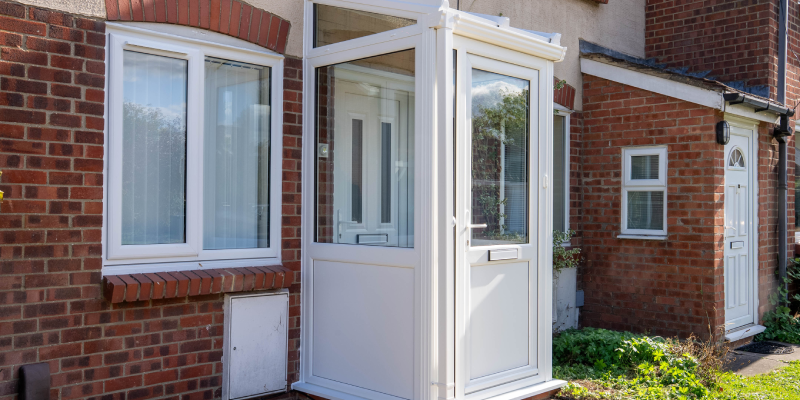
- The size and configuration of the entrance
- Your chosen colour and finish
- The amount and style of glazing
- Handles, letterplates and other hardware
- Side panels or toplights
- Security specifications
- The requirements of the installation
This is why it is worth being careful with headline prices advertised online. A straightforward composite door and a bespoke entrance with decorative glazing, sidelights and upgraded hardware are very different products.
Rather than starting with price alone, think about the features that are most important to you. You can then request a quote based on the door you would actually like installed.
At Crown Windows, we provide a free quote based on your requirements and can talk you through the available options to help you create an entrance that works with both your home and budget.
Could A Composite Door Be Right For Your Home?
So, what is a composite door? In simple terms, it is an external door that combines several materials to create an entrance designed around strength, insulation, durability and style.
Its biggest advantage is the balance it can offer. You can achieve the character and kerb appeal you want while benefiting from modern security features, thermal performance and straightforward maintenance.
However, not every composite door has the same specification. Before making your choice, compare the construction, security testing, energy performance and warranty alongside the design and price. This will give you a far clearer idea of which product is right for your property.
At Crown Windows, we have more than 20 years of experience helping homeowners across Milton Keynes and the surrounding areas find windows and doors that suit their homes. Our composite door range includes products from Universal, Apeer and Solidor, with plenty of traditional and contemporary designs to explore.
If you would prefer to see your options before making a decision, visit our Bletchley showroom. You can compare colours, finishes, glazing and hardware in person while talking through your ideas with our experienced team.
Ready to transform your entrance? Contact Crown Windows today for your free quote and start designing a composite door made for your home.