


Astragal Bars vs Georgian Bars: What’s The Difference?
- 18 November 2026
- News
When replacing your windows, the smaller design details can make just as much difference as the frame material, colour or opening style. This is particularly true if you live in a traditional property or simply want your new windows to have more character.
Two features you are likely to come across are Georgian bars and Astragal bars. At first glance, they can look very similar. Both create a grid across the window, giving the appearance of several smaller panes instead of one larger piece of glass. However, the way they are constructed and the finished effect are quite different. This is why homeowners often compare Astragal Bars vs Georgian Bars before choosing their new windows.
Historically, windows were made using smaller pieces of glass because producing large panes was difficult and expensive. Glazing bars were used to hold these individual panes in place, creating the grid patterns now associated with Georgian and other period properties.
Modern windows no longer need these divisions for structural reasons, but Georgian and Astragal bars allow you to recreate that traditional appearance while still benefiting from modern double glazing, improved security and low-maintenance frames.
At Crown Windows, we regularly help homeowners choose between different window details depending on the age, character and style of their property. Below, we take a closer look at Astragal Bars vs Georgian Bars, including how they work and which option may be better suited to your home.
Astragal Bars vs Georgian Bars: Understanding The Key Differences
The main difference between Georgian bars and Astragal bars comes down to where they are positioned.
Georgian bars are normally fitted inside the sealed glazing unit. This means the grid can be clearly seen through the glass, but both the interior and exterior surfaces remain completely flat.
Astragal bars, on the other hand, are fixed directly onto the inside and outside surfaces of the glass. A matching spacer bar is then usually positioned inside the glazed unit, directly behind the external bars. Together, these different layers create the appearance that the window is made from several individual panes. Although both options are decorative, Astragal bars tend to create a more traditional, three-dimensional finish. Georgian bars provide a cleaner and slightly simpler interpretation of the same classic window style. There are practical differences too. Because Georgian bars are enclosed within the glazing, they do not interrupt the surface of the glass. This makes the window easier to wipe clean. Astragal bars sit proud of the glass, so a little more care is needed when cleaning around them.
The right option will therefore depend on the appearance you want, the character of your property and how important factors such as maintenance and authenticity are to you.
For homeowners interested in a traditional finish, Crown Windows offers a dedicated range of Georgian windows, allowing the grid layout, frame colour and other details to be tailored around the property.
We will cover:
What Are Georgian Bars On Windows?
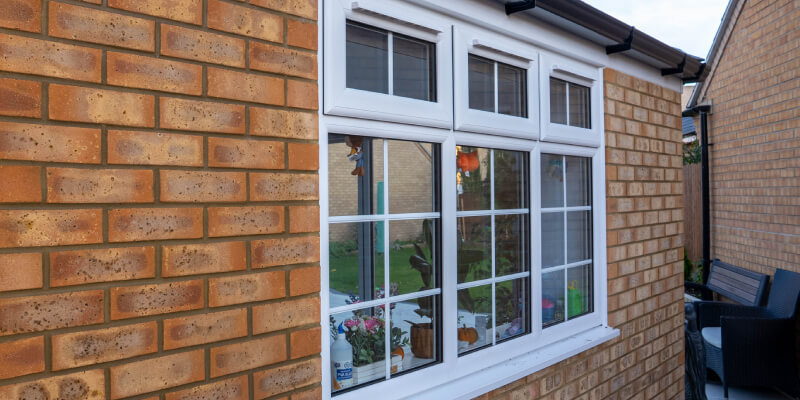
A Georgian bar is a decorative vertical or horizontal grid element positioned within a double or triple-glazed window. The bars divide the appearance of the glass into smaller squares or rectangles, helping modern windows recreate the style traditionally associated with Georgian architecture. Rather than physically separating several pieces of glass, modern Georgian bars usually sit between the panes of one sealed glazing unit. This gives you the traditional multi-pane effect without giving up the benefits of contemporary window technology.
Georgian architecture is strongly associated with symmetry and balanced proportions, and windows played an important role in achieving this look. Historic Georgian sash windows commonly featured multiple small panes arranged into regular grids.
According to Historic England, changes in glass-making allowed larger panes to become more widely available over time. This influenced how glazing bars developed and why they remain such a recognisable part of traditional window design.
Why Georgian Bars Are Easy To Maintain
One of the defining features of modern Georgian bars is their internal placement. The decorative bars are sealed inside the double- or triple-glazed unit, sitting between the panes of glass. From inside or outside your home, you can clearly see the grid pattern. However, the surface of the glass remains completely smooth. This makes them particularly easy to maintain. You can clean across the full pane in the same way as a standard window without needing to work around individual raised bars. This can be especially useful when Georgian bars are being installed across a large number of windows.
For homeowners considering double glazing in Milton Keynes, Georgian bars can be a particularly useful way to retain traditional character while still upgrading to modern, energy-efficient glazing. For example, Crown Windows recently completed a 19-window replacement project in Milton Keynes. Some of the made-to-measure white uPVC windows included 25mm Georgian bars, helping the new windows retain the traditional character of the property while introducing modern double glazing.
Crown Windows have also completed a 21-window Georgian bar installation in Milton Keynes. Again, the homeowners wanted to preserve the classic appearance of their property while improving energy efficiency, security and overall performance.These projects show how Georgian bars can bring traditional character to a property without making the window system more complicated to maintain.
Where Georgian Bars Work Best
The bars themselves can usually be designed to complement the surrounding frame. Depending on the chosen window range, different colours, widths and layouts may be available. This means you do not necessarily have to follow one standard grid.
Some homes suit several smaller sections across each window, while others look better with a simpler layout. The proportions of the property should always guide the final design. Georgian bars are regularly incorporated into casement and sash-style windows, but they can also work on newer homes where the owner wants to introduce more character.
A white frame with a detailed Georgian grid will usually create a more classic appearance, while darker frames and simpler bar layouts can give the same feature a more contemporary feel. They also allow homeowners to combine period-inspired styling with modern performance. As the bars sit within the sealed unit, the window can still benefit from double glazing, effective weather seals and contemporary locking systems.
If your property is listed or subject to heritage restrictions, it is important to check what changes are permitted before replacing original windows. The Society for the Protection of Ancient Buildings provides useful guidance around alterations to historic properties.
For homes without these restrictions, Georgian bars offer a practical way to achieve a traditional look while still benefiting from modern window technology.
What Is An Astragal Bar?
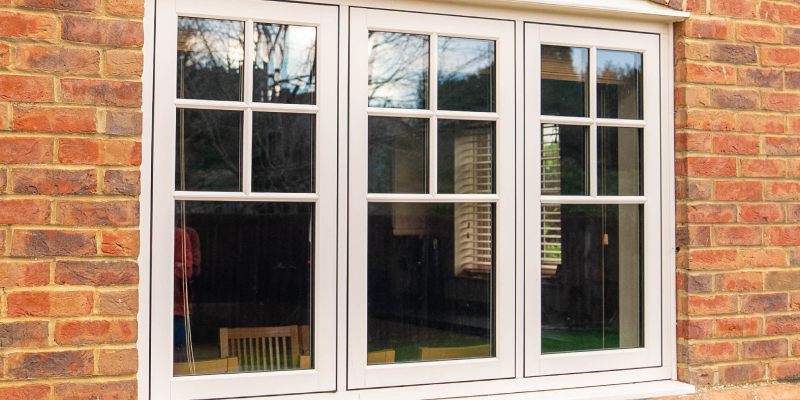
An Astragal bar is also used to recreate the appearance of traditional multi-pane glazing, but its construction is different from a Georgian bar. Instead of sitting only inside the sealed glazing unit, Astragal bars are fixed onto the external and internal surfaces of the glass. A matching spacer, sometimes called a duplex or dummy spacer bar, is then positioned inside the double or triple-glazed unit directly behind the surface-mounted bars.
When the different elements line up, they create the illusion that the window is genuinely divided into a series of individual panes. This additional depth is one of the main reasons homeowners choose Astragal bars. From a distance, Georgian and Astragal designs can sometimes appear very similar. Move closer, however, and the difference becomes much easier to see.
How Astragal Bars Work
Astragal bars physically project from the glass. They create depth and shadow around each section, helping the window look much closer to a traditional design where glazing bars genuinely separated individual pieces of glass. When comparing Astragal Bars vs Georgian Bars, this is usually the most important visual difference. If the main aim is to recreate the appearance of original period windows as closely as possible, Astragal bars are often the preferred option. They work particularly well with flush casement windows and vertical sliding windows, both of which are commonly chosen for traditional properties.
Crown Windows recently demonstrated this during a timberlook window installation. The homeowners wanted to update their property while retaining its traditional character.
Eight Cream-on-White flush casement windows were installed with Astragal bars. The flush frames already reflected many of the characteristics associated with traditional timber windows, while the raised bar detailing added another period-inspired feature.
We have also used Astragal bars on vertical sliding windows. During a renovation project in Banbury, Crown Windows installed 10 white vertical sliding windows with Astragal bars. The sash-style design complemented the character of the property, while the bars helped create a more traditional finish. These examples show why the bars should not be considered in isolation.
Why Astragal Bars Look More Traditional
Frame colour, window style, hardware and glazing layout all influence whether the finished window feels right for the property. A well-designed combination will usually look far more natural than simply adding decorative bars to any window style. There is also a maintenance difference to consider. Because Astragal bars are attached to the surface of the glass, you will need to clean around the raised sections. Dirt may gather along the edges, so they can take slightly more time to maintain than Georgian bars.
For homeowners who value authenticity, however, this may be a worthwhile trade-off.
Comparison
Cost can vary. Astragal bars use more components than a simple internal Georgian-bar system, which can make them more expensive depending on the window design and manufacturer. That said, decorative bars are only one part of the overall window cost. Frame material, glazing, colour, hardware and installation requirements will all influence the final quotation.
When comparing Astragal Bars vs Georgian Bars, it is therefore better to focus first on which design best suits your property.
If you want to recreate the appearance of original divided glazing, the added depth of Astragal bars may be worth the additional cost. If you prefer the look of Georgian-style windows but want something simpler to clean and maintain, internal Georgian bars may be the better choice.
It is also worth considering whether your property sits within a conservation area or is listed. Replacement windows on these homes can be subject to additional controls, particularly where original glazing forms part of the building’s character.
Historic England provides further guidance for owners of listed buildings if you are unsure what restrictions may apply.
For most homeowners, though, both options provide a way to achieve traditional styling while still benefiting from modern glazing, security and insulation.
Choosing The Right Window Detail For Your Home
When comparing Astragal Bars vs Georgian Bars, the right choice comes down to the look you want to achieve and how closely you want your new windows to reflect traditional designs.
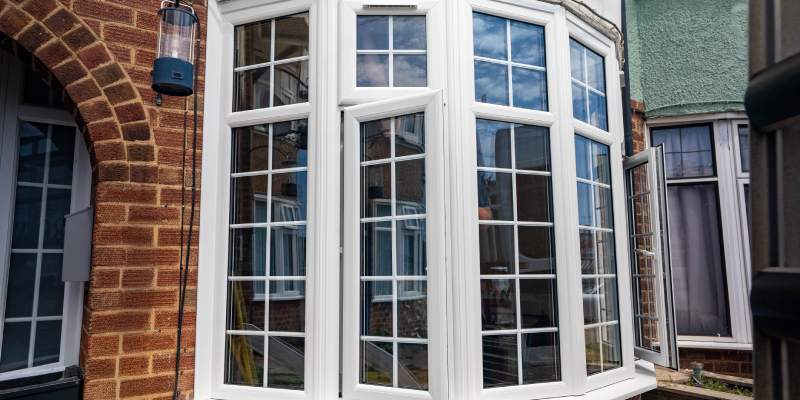
Astragal bars offer a more authentic, three-dimensional finish because they sit on the surface of the glass, making them particularly well suited to period and heritage-style properties. Georgian bars, on the other hand, provide a cleaner and lower-maintenance option while still creating the familiar multi-pane appearance.
Both can work beautifully when they are designed around the proportions and character of the property. The same attention to glazing style and decorative detail can also be useful when planning larger home improvements, including conservatories in Milton Keynes, where the windows and glazing should complement the existing home.
At Crown Windows, we have more than 20 years of experience helping homeowners choose made-to-measure windows that complement their properties. If you are unsure whether Georgian or Astragal bars are the better fit, our team can talk you through the options and help you create a design that balances traditional character with modern performance.