
A Guide to Different Styles of Timber Windows
- 14 December 2018
- News
Timber windows remain a favourite choice for homeowners who value character, warmth and long-term performance. From traditional sliding sash designs to modern casement and bay windows, timber frames suit both period properties and contemporary new-build homes. Understanding the main styles and materials makes it easier to choose the right option for your property.
Quick Answer: The main styles of timber windows are vertical sliding sash windows, outward-opening casement windows, sleek flush casement windows, non-opening fixed windows, projecting bay windows and traditional Yorkshire sash windows with horizontal sliders. The best choice depends on your property type, ventilation needs, preferred look and budget, with timber offering excellent longevity and a natural finish.
Timber Windows: Why They Matter
Timber has been used for window frames for centuries and still performs well in modern homes. As a natural material, it offers strong thermal performance, helping to keep rooms warmer in winter and cooler in summer. Crown Windows’ original timber guide notes that well-maintained timber frames can have roughly twice the service life of uPVC, making them a sound long-term investment.
Timber is also renewable and can be recycled at the end of its life. Factory-finished coatings give reliable protection against the elements, so today’s timber windows combine traditional appearance with modern performance.
6 Main Timber Window Styles
Most homes use one or more of six main timber window styles. Each offers a different balance of ventilation, light and visual impact.
1. Sash Windows (Vertical Sliding)
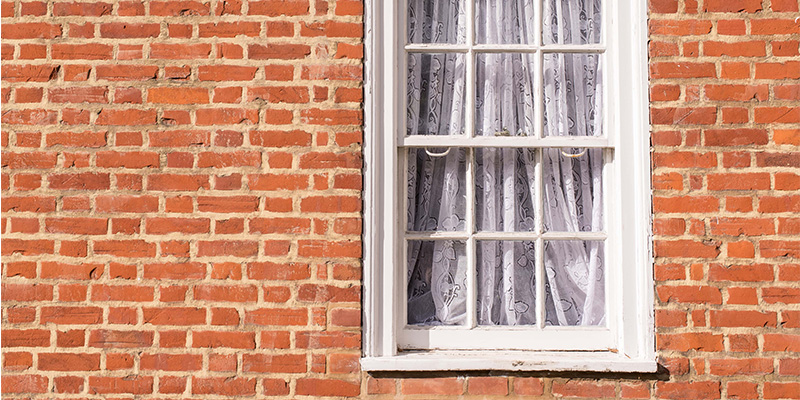
Timber sash windows are strongly associated with Georgian and Victorian properties and remain popular wherever a classic look is required. Two framed panels slide vertically within the outer frame, so you can open the window at the top, bottom or both, which is ideal for fine-tuning airflow and retaining period character. Sash windows use either traditional cords and weights or modern spiral balances, and modern timber sash windows from Crown Windows combine original styling with improved glazing, draught-proofing and security.
2. Casement Windows (Hinged Opening)
Timber casement windows are hinged on the side or top and open outwards like a small door. They are one of the most practical and versatile window styles for both traditional and contemporary homes. Because casements can open fully, they offer excellent ventilation and are simple to operate for everyday use. When closed, the sashes press firmly against weather seals in the frame, creating a tight barrier against draughts and noise. Casements can be designed as single openings, pairs or combinations of fixed and opening sashes within one frame.
3. Flush Casement Windows (Sleek, Modern Design)
Flush casement windows are a modern variation of the classic casement style. In a standard casement, the sash overlaps the frame when closed; in a flush casement, it sits level, or “flush”, with the outer frame for a smooth, streamlined finish. This understated look works well on contemporary properties and in conservation areas where simple sightlines are preferred. Flush casement timber windows combine neat, modern lines with the warmth and texture of wood and, with quality hardware and seals, deliver strong insulation and security.
4. Fixed Timber Windows (Feature Windows)
Fixed timber windows are non-opening units designed to frame views, admit maximum light or create architectural features. Because they do not need hinges or ventilation gaps, they can use larger panes of glass with minimal framing, making them ideal as picture windows or for stairwells and double-height spaces. Fixed windows are often paired with opening sashes elsewhere in the room, so you can enjoy uninterrupted views while still allowing fresh air into the space. Crown Windows manufactures fixed timber windows to the same standards as opening styles, with high-performance glazing and durable coatings.
5. Bay Windows (Projecting Timber Bays)
Bay windows project outward from the main wall of a property, creating extra internal space and a wide panorama of the outside. Timber bay windows are a hallmark of many Victorian and Edwardian houses and remain popular where homeowners want to maximise natural light and create a focal point. A typical bay consists of a central window with angled side windows set into a small projection. The sections can be sash, casement or fixed, depending on the property’s style and ventilation needs, and timber frames enhance the feature with natural texture and flexible finish options.
6. Yorkshire Sash Windows (Horizontal Sliding)
Yorkshire sash windows, sometimes known as horizontal sashes, are a traditional style where the sashes slide sideways rather than up and down. They are particularly associated with rural cottages and farmhouses and can be an important part of a building’s original design. The frame is arranged so that one sash slides behind the other horizontally, which can be useful where headroom is limited or where the architecture has strong horizontal proportions. Crown Windows can repair, replicate or replace Yorkshire sash windows in timber, preserving the character of older properties while improving security and draught-proofing.
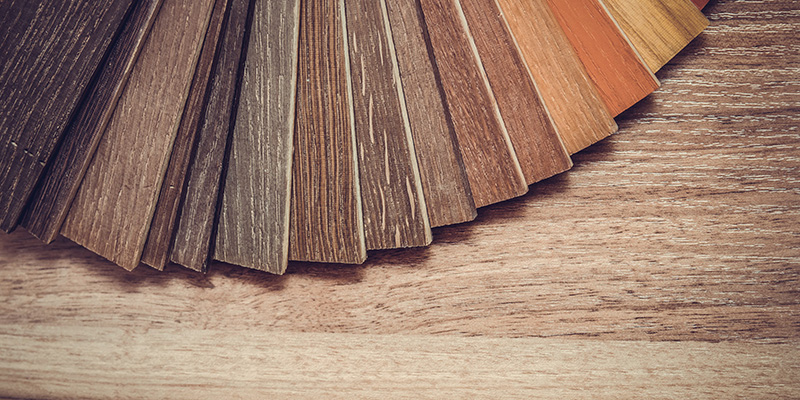
Softwood or Hardwood?
Choosing the right timber species is just as important as selecting the right window style. Broadly, timber windows are made from either softwood or hardwood, each with its own advantages.
Softwood is generally more affordable and widely available for timber windows. It takes paint finishes well and suits both contemporary and traditional properties, although it usually requires more regular maintenance to keep the protective coating in good condition.
Hardwood grows more slowly and has a tighter grain structure, making it naturally durable and resistant to wear. It is often chosen for traditional or higher-end projects where a rich grain and deeper colour are desired, particularly when finished with translucent stains that highlight the timber’s natural character.
In practice, both softwood and hardwood can deliver long-term performance when they are properly engineered, factory finished and maintained. Crown Windows can advise on the most appropriate material for your property, balancing appearance, budget and maintenance preferences.
Modern Timber Window Trends
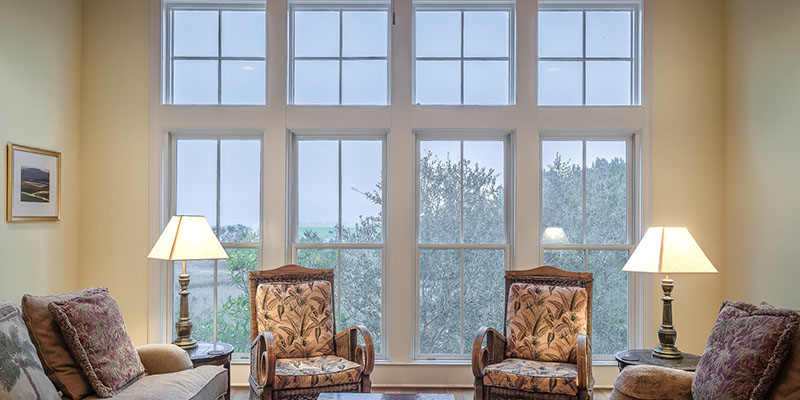
Timber window design has evolved significantly in recent years. One major trend is the move towards slimmer frames and larger glass areas, bringing more daylight into living spaces while retaining the warmth of wood. Flush casement windows sit at the heart of this trend, offering simple, clean lines that work well on both modern and traditional homes.
Another development is the increased use of engineered timbers, where layers of wood are bonded together to improve stability and reduce the risk of twisting or warping. Factory-applied paint and stain systems provide consistent protection, so with routine cleaning today’s timber windows are designed for straightforward upkeep.
Frequently Asked Questions
What is the difference between sash and casement timber windows?
Sash windows have one or two sashes that slide vertically within the frame, creating a classic look that suits period homes. Casement windows are hinged and open outward, usually offering wider clear openings and very effective draught-proofing when closed.
Are timber windows suitable for conservation or listed properties?
Yes. Timber is often the preferred material for conservation areas and listed buildings because it can closely match original profiles, glazing patterns and opening methods. Crown Windows has experience working on period homes in and around Milton Keynes.
Do timber windows require a lot of maintenance?
All external joinery needs some care, but modern factory-finished timber windows are easier to look after than older examples. Regular cleaning and occasional inspection of paintwork or seals will help keep them in good condition.
Are timber windows energy efficient?
With modern glazing and proper draught-proofing, timber windows can offer excellent thermal performance. The natural insulating properties of wood, combined with double or triple glazing and quality seals, help to reduce heat loss and improve comfort.
Choosing the Right Style for Your Property
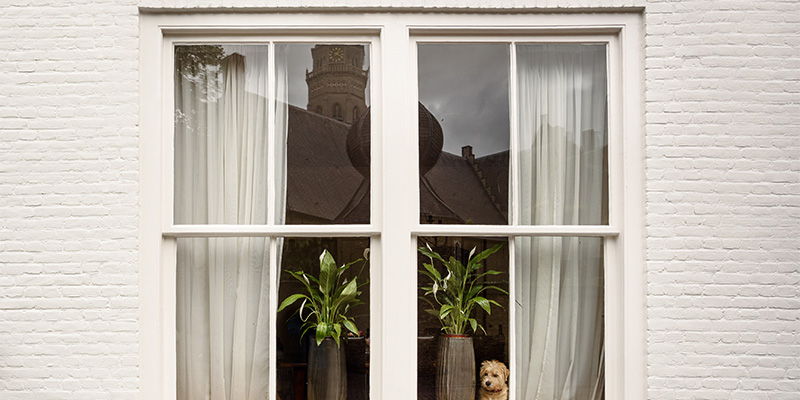
Selecting the ideal timber window style is about more than appearance. You will need to consider the age and character of your property, how much ventilation each room requires, how you use the space and whether you have any planning or conservation constraints. For example, a Victorian terrace may call for replacement sash windows to preserve its façade, while a modern extension might look best with slim-framed flush casements.
Crown Windows works with homeowners across Milton Keynes and the surrounding areas to design timber windows that suit both property and lifestyle. By discussing your priorities – such as natural light, ease of cleaning, energy efficiency or authentic detailing – we can recommend combinations of styles and materials that provide the right balance.
Summary
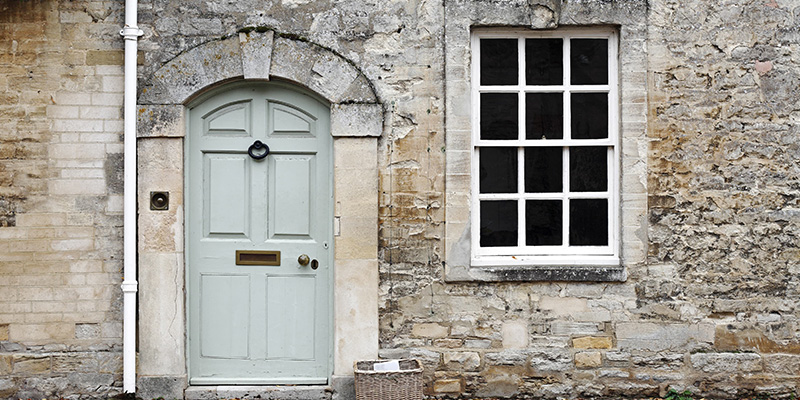
Timber windows offer a blend of character, performance and sustainability that makes them ideal for many homes. The main styles include vertical sliding sash, hinged casement, sleek flush casement, non-opening fixed windows, projecting bay windows and distinctive Yorkshire sash designs. Softwood and hardwood each bring their own strengths, and modern manufacturing techniques mean that today’s timber windows are more stable and efficient than older examples.
Whether you are restoring a period property or upgrading a modern home, Crown Windows can help you compare the different styles of timber windows and choose the solution that fits your architecture, budget and long-term plans.