

How To Make A Conservatory Warmer
- 14 February 2023
- News
In winter, your conservatory can quickly become a cold and uninviting space—one you’d rather avoid than use. This happens because conservatories lose heat significantly faster than other rooms due to their extensive glazing and limited insulation. The good news is you can transform your conservatory into a genuinely usable living space year-round with proven methods ranging from budget-friendly solutions to premium upgrades. This guide walks you through options at every financial level, helping you reclaim your conservatory.
Why Do Conservatories Get So Cold?
Understanding why conservatories lose heat helps you prioritize solutions. Conservatories face a unique challenge: they’re built primarily from glass or polycarbonate, materials that conduct heat far more readily than insulated walls.
Heat Loss Through Glass & Polycarbonate
Glass conducts heat far more efficiently than insulated materials. Single-glazed conservatory roofs—common in older buildings—transfer thermal energy substantially more than insulated walls. Conservatories are often 70–90% glazed roof area, compared to traditional extensions with perhaps 20% window coverage. This design, intended to trap heat in summer, becomes a heat-escape route in winter.
Polycarbonate roofing, while better than single glass, still conducts heat significantly compared to properly insulated solid roofs. Heat naturally rises, so warm air from heating systems quickly escapes through the ceiling before circulating effectively through the room.
Prevention First: Budget-Friendly Heat Retention
The most cost-effective improvements address immediate heat loss without requiring installation expertise or structural changes.
Draught-Proof Windows & Doors
Air leakage around window and door frames is often behind unexplained cold spots. Even small gaps allow warm air to escape and cold air to infiltrate.
How to identify draughts: Light a candle and move it slowly around the perimeter of each window and door. If the flame flickers, you’ve found an air leak.
DIY solutions include: Applying self-adhesive foam weather-stripping tape around window frames, installing hinged flap draught excluders at door bottoms, adding keyhole covers, and using silicone sealant around door frames. These measures are relatively inexpensive and seal off 60–70% of potential air leaks in an older conservatory.
Thermal Blinds & Cellular Curtains
Thermal blinds with honeycomb structures trap air in small pockets—mimicking double-glazing principles. Closing them at dusk significantly reduces heat transfer through windows while adding privacy and aesthetic appeal. Multiple colour and style options let you complement your interior design. If you’re converting your conservatory into a bedroom or office, blackout options enhance privacy and warmth retention.
Reflective Window Film
Thermal window film reflects interior warmth back into the conservatory while allowing visible light through. Applied to the inside surface of glazing, it’s less disruptive than window replacement and provides year-round benefits. Professional application typically completes in a single day.
Insulated Flooring: Rugs & Underlays
Cold feet make you feel colder even when air temperature is moderate. Conservatory floors—whether tiled, wooden, or concrete—conduct heat away rapidly. A large rug with thermal underlay creates a warmer zone by trapping warm air beneath. During winter, these rugs create a noticeably warmer feeling; in summer, simply remove them to maintain easy garden access and seasonal flexibility.
Permanent Heating Solutions
For year-round usability, passive heat retention must be paired with active heating.
Electric Radiators
Electric radiators are the most straightforward heating solution, requiring no plumbing modifications. Options include oil-filled radiators (slow to heat but retain warmth), panel radiators (quick-heating), and storage heaters (charge during off-peak hours). They’re individually controlled, require no central heating integration complications, and installation is straightforward. However, continuous operation costs money, so using timers and thermostats efficiently is important.
Underfloor Heating
Underfloor heating provides even temperature distribution—the floor becomes the heating source. Two types exist: electric underfloor heating (easiest retrofit, installed beneath flooring) and water-based systems (connected to central heating). Underfloor heating distributes warmth uniformly, eliminating cold spots and creating perceptibly warmer environments at lower air temperatures than conventional radiators allow.
Installation note: Most systems require flooring removal and reinstallation, making this a disruptive but one-time investment.
Central Heating Integration
If your conservatory is part of a larger extension, integrating central heating is possible—though this requires professional fitting by experienced installers. Crown Windows can discuss this option during consultation and recommend qualified professionals for compliant installation.
Premium Solutions: Maximum Year-Round Comfort
For homeowners serious about year-round usability, permanent insulation upgrades transform conservatories from seasonal rooms into genuine extensions.
Insulated Roof Systems
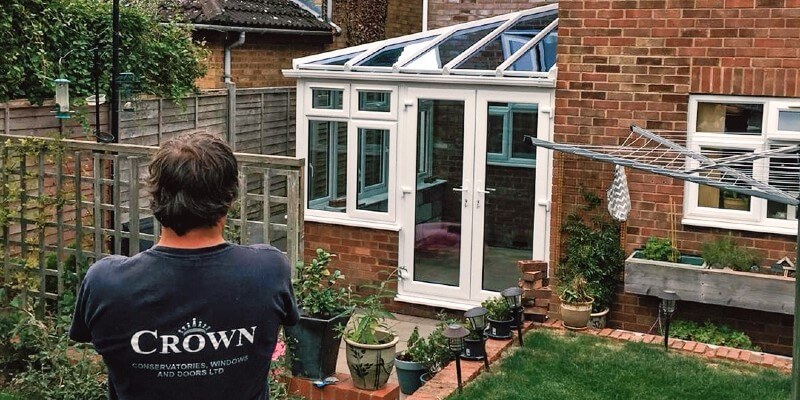
Internal insulation systems apply layers of reflective foil and rigid insulation directly beneath existing glass or polycarbonate roofs. This preserves exterior appearance while dramatically improving internal performance. A specialized team removes internal ceiling coverings, installs thermal insulation, and refits ceilings—typically completing in one day for an average conservatory. These systems significantly improve heat retention, reduce heating requirements, and solve cold spots.
No planning permission required: UK regulations typically allow internal roof insulation without planning approval, making this more accessible than external modifications.
Tiled Roof Conversion
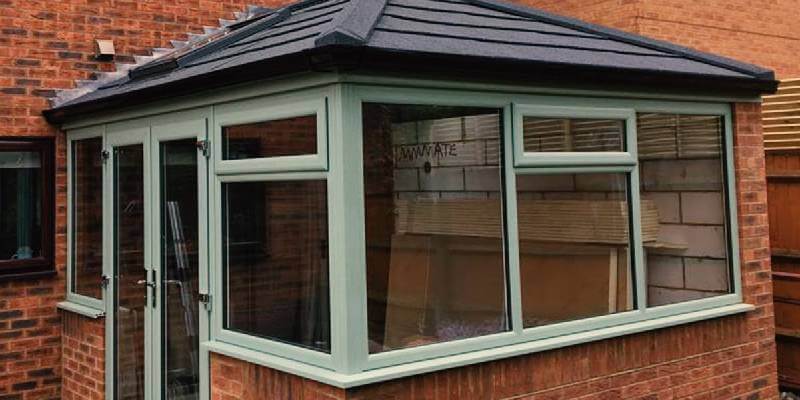
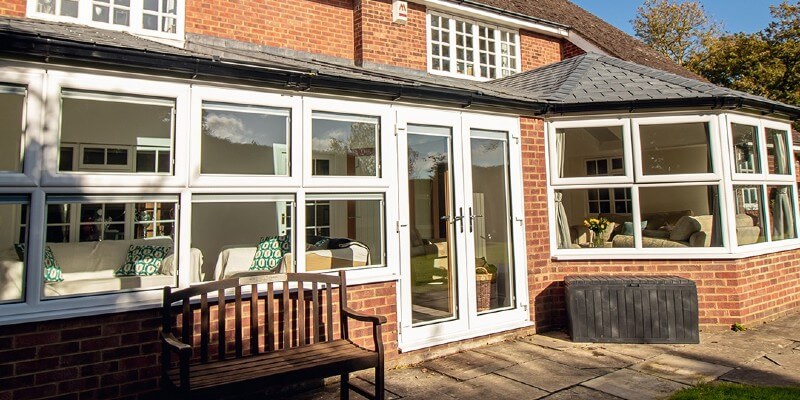
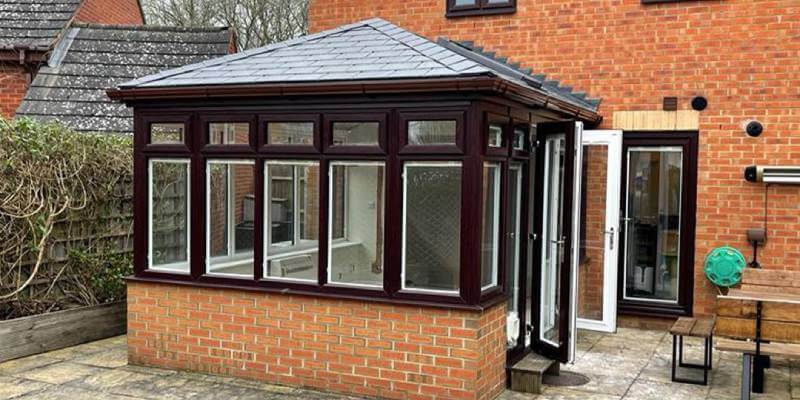
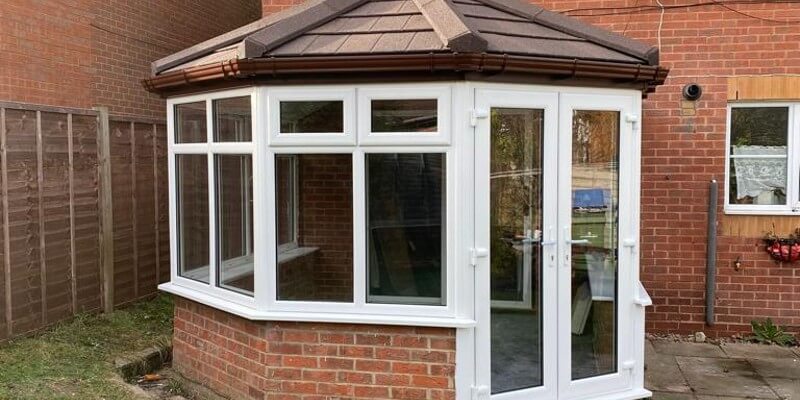
For maximum insulation, a tiled roof conversion replaces the entire glazed roof with a solid tiled structure—making your conservatory visually indistinguishable from a traditional extension. Tiled roofs retain heat far more effectively than PVC and glass, significantly reduce external noise, require far less maintenance (no glass cleaning), and instantly elevate curb appeal.
Modern tiled roof systems are fully customizable and available in multiple styles to match your home. Some systems incorporate glass panels if you want retained natural light alongside insulation benefits. A converted conservatory becomes genuinely usable all year—winter warmth without excessive heating costs, summer comfort without extreme heat.
Year-Round Comfort: Summer Cooling & Condensation
Proper insulation that keeps heat in also prevents unwanted summer heat gain. However, managing year-round temperature requires additional strategies.
Summer Ventilation & Solar Control
Modern insulated systems integrate openable windows and roof vents for manual ventilation. The same thermal blinds used in winter reflect summer solar gain outward, maintaining comfortable temperatures without air conditioning. Opening opposite windows/doors creates air flow that prevents summer overheating.
An insulated conservatory with proper ventilation maintains comfortable temperatures in summer without air conditioning—compared to uninsulated versions that can exceed 30°C on warm days.
Managing Condensation
Condensation forms when warm, moisture-laden air contacts cool surfaces. In poorly insulated conservatories, this often appears on glazing during cold winter mornings.
Prevention strategies: Improve ventilation by opening windows briefly in morning; avoid plants requiring frequent misting; use dehumidifiers if needed. Most importantly, upgrading insulation keeps internal surfaces warmer, reducing the temperature differential that causes condensation—often eliminating the problem completely.
Frequently Asked Questions
Q: Why is my conservatory so cold even with heating?
A: Heat escapes far faster through glazing than through insulated walls. Even continuous heating can’t compensate for the rapid heat loss through extensive glazing. Adding insulation addresses the root cause.
Q: What heating system works best for conservatories?
A: Electric radiators work well for modest heating needs. Underfloor heating provides even warmth and energy efficiency. Permanent insulation upgrades (internal systems or tiled roofs) reduce heating demand substantially, letting you heat your conservatory cost-effectively.
Q: Can I add radiators to my conservatory?
A: Yes, professional fitting by experienced installers is straightforward. Crown Windows can discuss options and recommend qualified professionals.
Q: How do I stop condensation in my conservatory?
A: Improve ventilation first (open windows briefly to reduce humidity). Installing thermal blinds adds an extra thermal barrier. Permanently, upgrading insulation—through internal systems or tiled roof conversion—eliminates condensation by keeping internal surfaces warm.
Q: What’s the best conservatory insulation method?
A: It depends on your budget and usage goals. Internal PIR/multi-foil systems deliver significant heat retention improvement with one-day installation. Tiled roof conversion provides maximum performance, aesthetic improvement, and reduced maintenance while adding value to your home.
Transform Your Conservatory
A cold, unused conservatory wastes both money and space. Proven solutions exist across all budgets. Whether addressing immediate discomfort with draught-proofing and thermal blinds or planning long-term upgrades like tiled roof systems, each step improves comfort and energy efficiency.
The most effective approach combines prevention (draught-proofing, thermal blinds) with an appropriate heating or insulation solution. A conservatory maintaining 18–20°C throughout winter with minimal condensation becomes genuinely usable.
Ready to reclaim your conservatory? Crown Windows specializes in all solutions mentioned here—from advisory consultations on draught-proofing to complete tiled roof installations. With over 15 years of experience serving Milton Keynes, Aylesbury, and surrounding areas, our team understands local climate challenges and designs solutions matching your specific property and goals.
Schedule your free consultation today. Our experts will assess your conservatory, discuss your comfort goals, and recommend tailored solutions. Whether you choose heating upgrades or complete roof transformation, you’ll have a conservatory that works year-round.