

What are the best double glazed windows?
- 5 August 2024
- News
Double glazed windows have become a staple in UK homes, with around 93% of properties having full double glazing installed. However, choosing the best double glazed windows for your specific needs can feel overwhelming with such a vast range of materials and styles available. This guide will help you understand what makes certain windows superior and make an informed decision.
Understanding Double Glazing
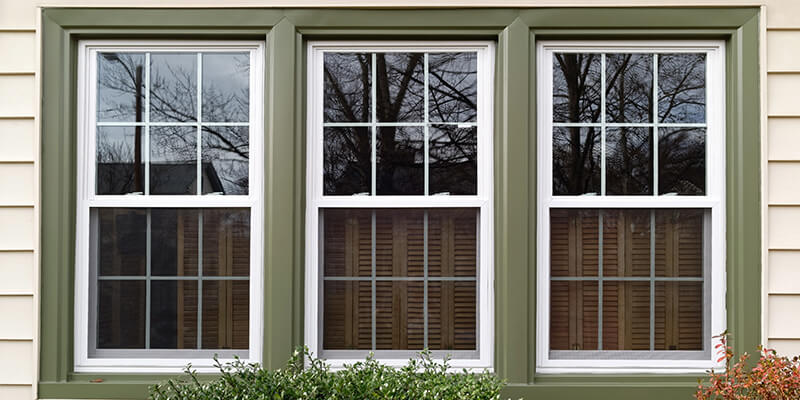
Double glazing consists of two panes of glass separated by a sealed air gap, usually filled with argon gas or simply air. After gaining popularity in the 1970s and 1980s, double glazing has continued to develop to a stage where it’s available in a huge range of styles, including casement and sliding sash, as well as various popular materials including aluminium and uPVC.
Why Double Glazing Matters
Double glazing is far more thermally efficient than single glazing. The additional pane combined with argon gas is incredibly effective at reducing heat transfer through your windows, saving you money on your heating bills. Double glazing’s extra glass layer makes your windows significantly more resistant to attempted break-ins. If you live in a busier part of Buckinghamshire, like Milton Keynes or Aylesbury, you’ll appreciate the additional soundproofing that double glazed replacement windows bring. The sealed design also helps prevent internal condensation.
Choosing the Best Window Frame Materials
The material you select significantly impacts durability, maintenance requirements, and thermal performance.
| Material | Lifespan | U-value | Maintenance | Best For |
|---|---|---|---|---|
| uPVC | 20-25 years | 1.0-1.4 W/m²K | Very Low | Budget-conscious, modern homes |
| Aluminium | 40-50 years | 1.2-1.6 W/m²K* | Very Low | Contemporary style, large windows |
| Timber | 40+ years | 0.9-1.3 W/m²K | Moderate | Heritage properties, traditional appeal |
*Requires thermal break technology for improved performance
uPVC: The UK’s Most Popular Choice
uPVC is the UK’s most popular window material. This form of plastic is highly customisable, low maintenance, energy efficient, and cost effective. It’s the most common type of window frame for double-glazed windows as it’s cheaper than traditional wooden frames, recyclable, durable and energy-efficient.
Some have reservations over uPVC’s stereotypically bland appearance, but this needn’t be the case anymore thanks to the rise of woodgrain effects, and the ability to finish the material with the almost endless RAL colour chart. You can achieve the traditional aesthetic of timber windows at a fraction of the cost.
Aluminium: Modern Strength & Elegance
Aluminium is a lightweight metal famed for its incredible strength and durability. When used for windows, the slim sightlines allow for expansive glass panes, which is great for maximising natural light intake. Aluminium windows possess all the vital benefits for modern living like thermal efficiency and security. Although coming in at a slightly higher average cost than uPVC, they remain cheaper than timber windows and offer exceptional durability.
Timber: Traditional Appeal & Natural Performance
Timber offers superior natural insulating properties. Timber windows are an excellent choice for heritage properties, conservation areas, and homeowners prioritizing traditional aesthetics and sustainability. Quality timber windows can last 40+ years when properly maintained. The trade-off is that timber requires periodic maintenance—windows typically need repainting every 5-7 years and regular inspection for weather damage.
Window Styles: Finding the Perfect Fit
Each style has distinct advantages depending on your home’s architecture and your needs.
Casement Windows
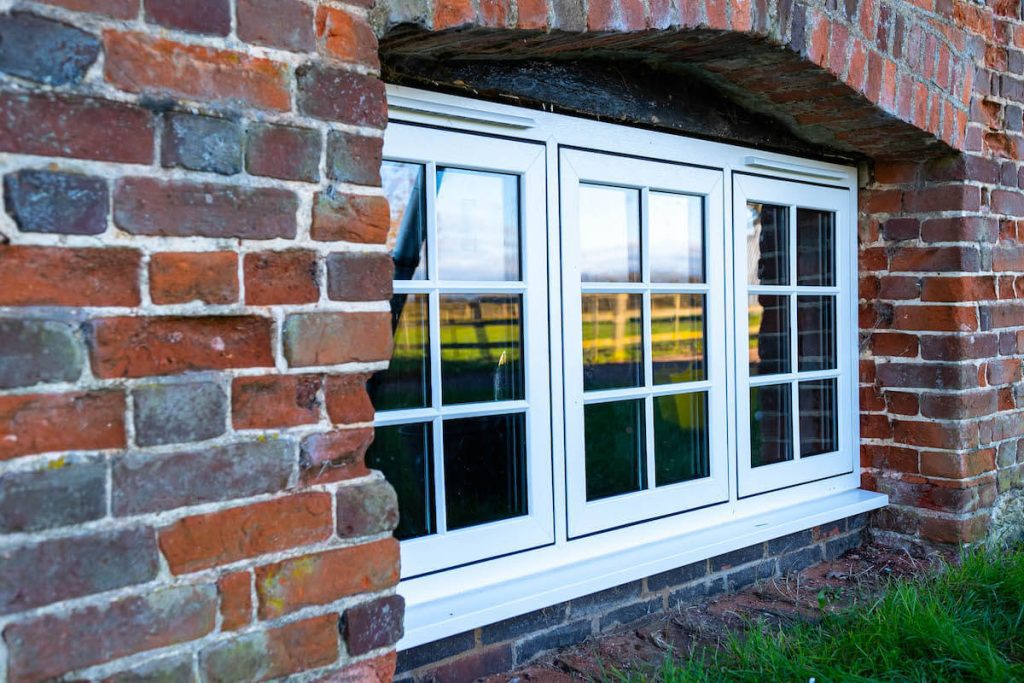
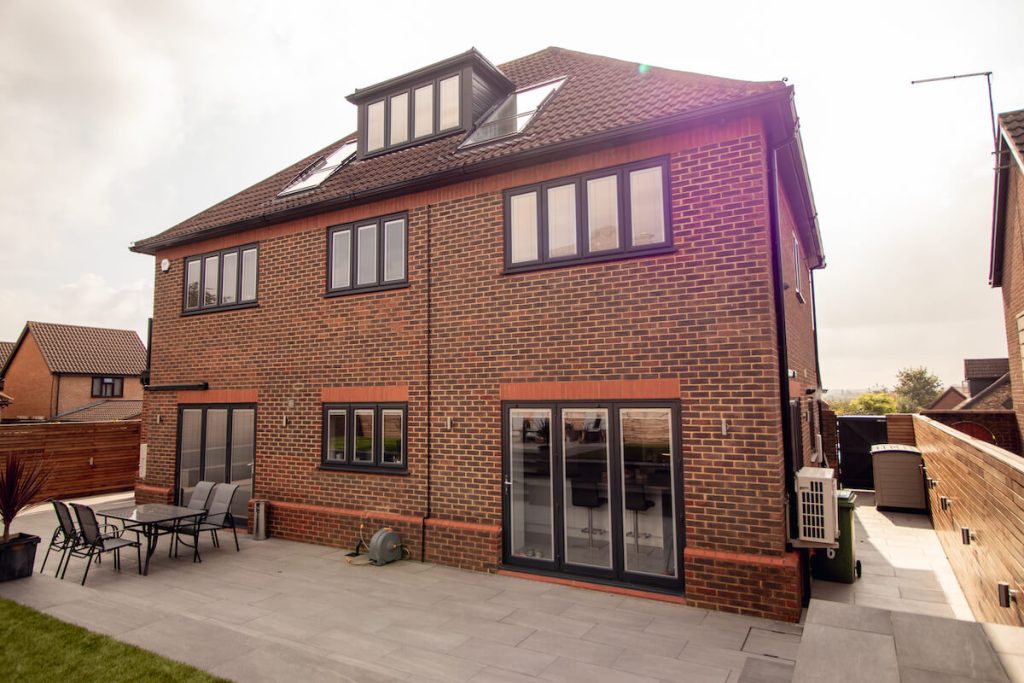
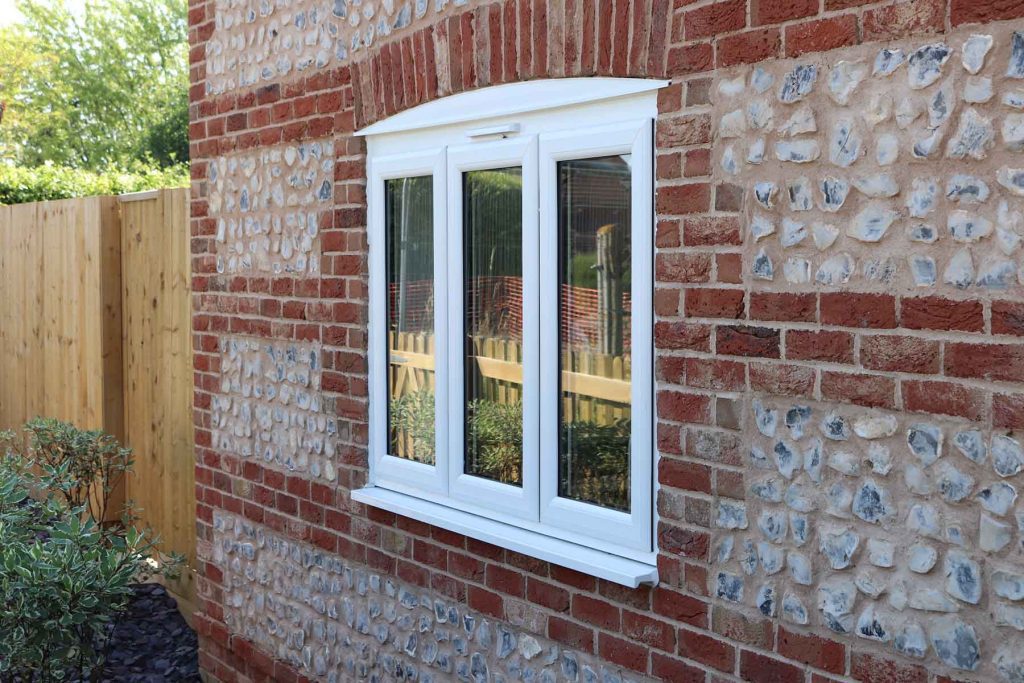
Casement windows date back to the 18th century and are hinged on the side of the frame, allowing them to open wider than any other window. They’re an excellent choice if you’re after a window type that allows for maximum airflow, easy operation, and improvement to your home’s energy efficiency. Casement windows from Crown can be installed in a huge range of colours, with decorative features like astragal bars.
Tilt & Turn Windows
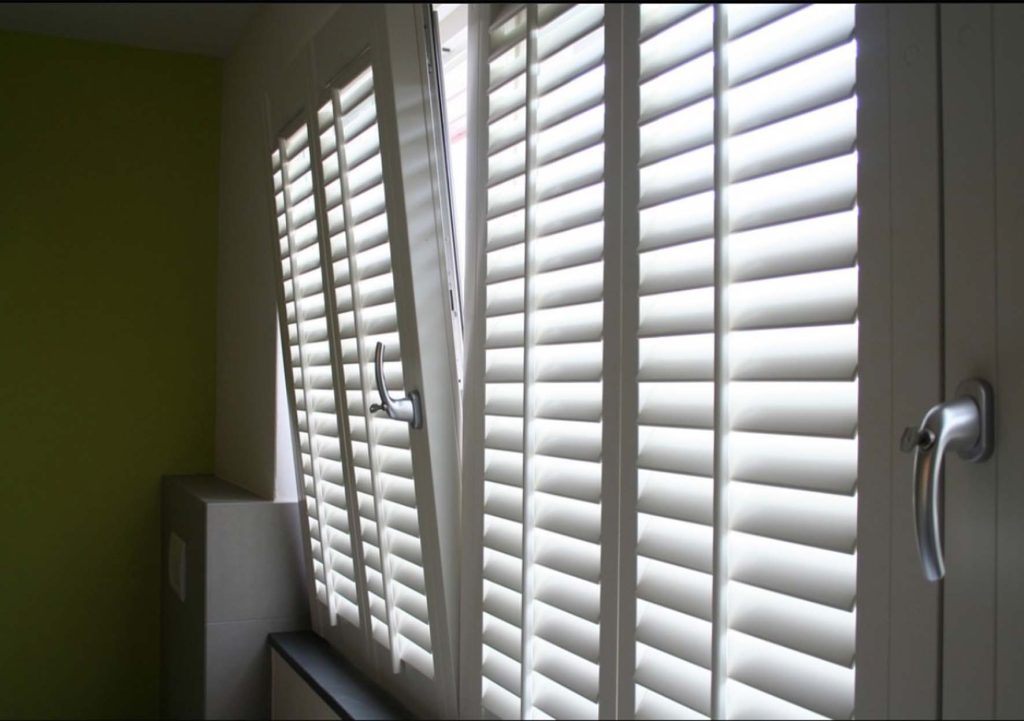
Tilt and turn windows can either be tilted or swung open on the inside like a traditional casement window. They’re incredibly versatile, easy to clean from the inside, secure, and efficient at saving space. They’re ideal for apartments and high-rise applications where standard outward-opening windows would be impractical.
Sliding Sash Windows
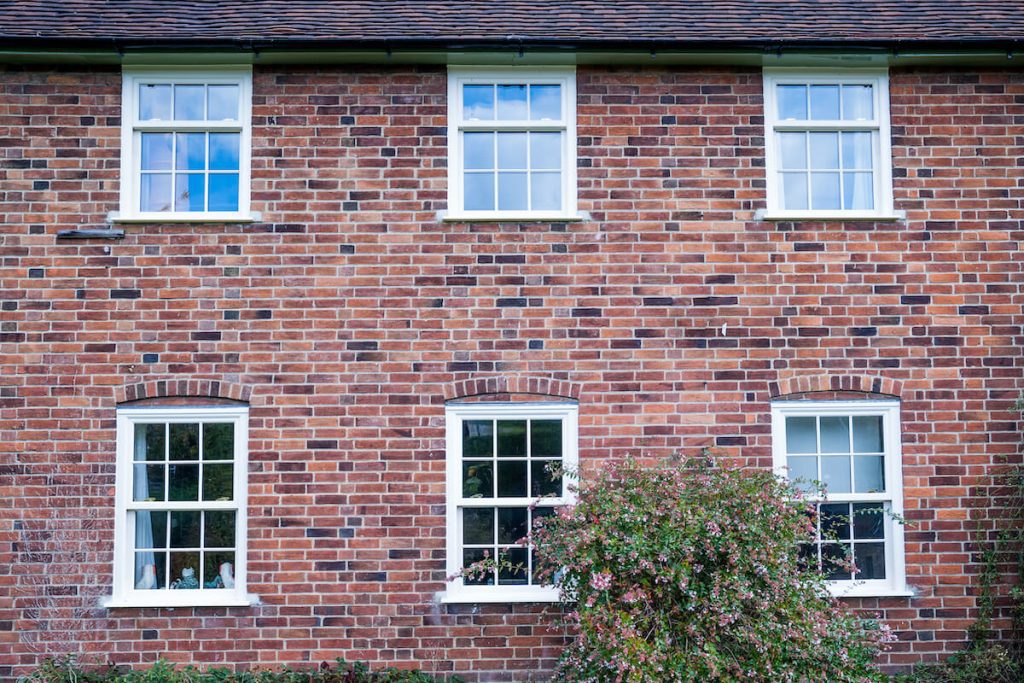
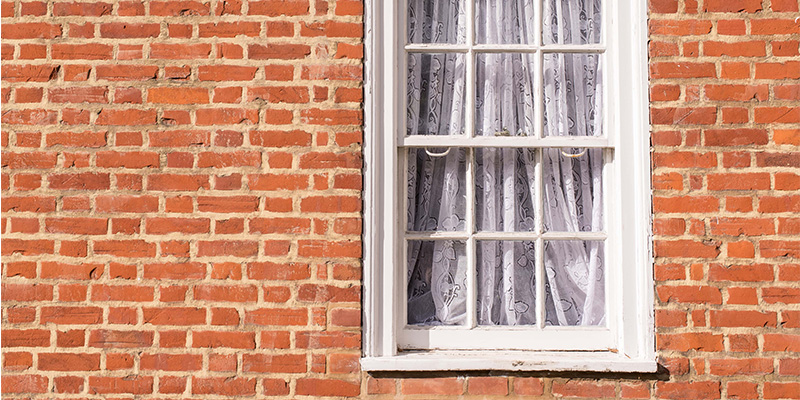
Vertical sliding sash windows provide homes with a stunning Victorian look, making them a sought-after feature today. Featuring two vertically operable sashes that slide up and down within a frame, they have risen in popularity in recent years thanks to being extremely aesthetically pleasing and practical. As one of the area’s leading window replacement companies, Crown provide sliding sash installations bespoke to your requirements.
Georgian Windows
Georgian windows are characterised by their distinctive grid design, having originated in Britain in the 18th century. However, since the days of the Industrial Revolution, Georgian windows have developed significantly. They now boast essential modern benefits like draught exclusion, impressive insulation, and high security.
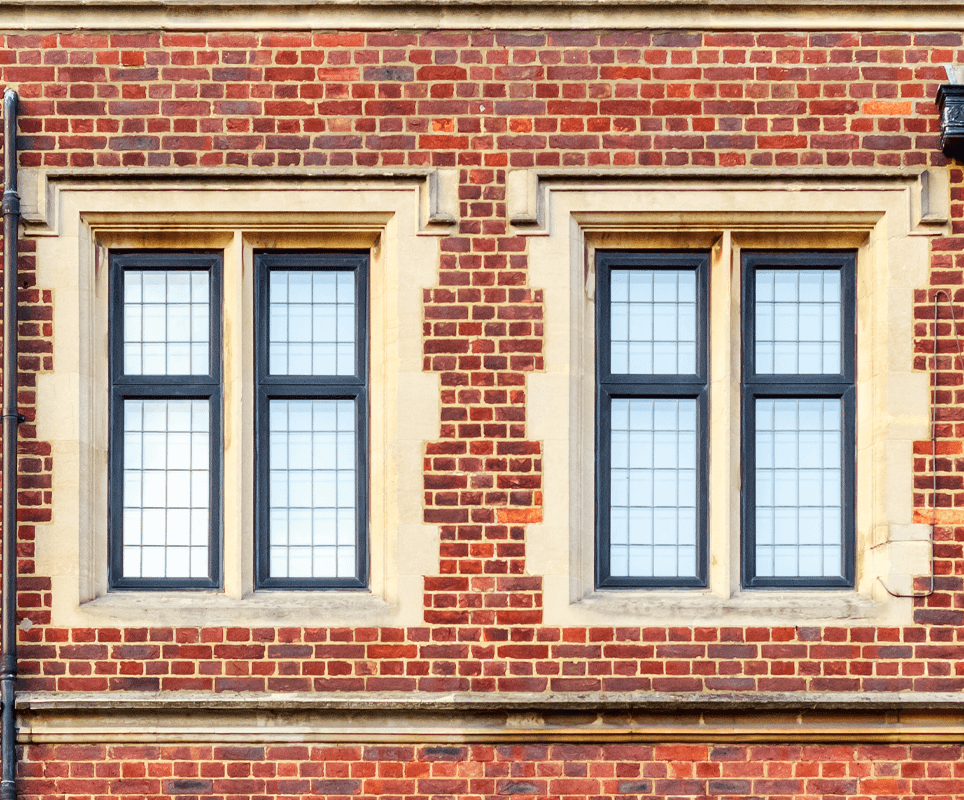
Lead Windows
Lead windows are made with several panels to provide your home with a traditional charm. They feature smaller panes of glass stuck on one larger frame as standard, creating a grid-like pattern across the window. Lead windows can be incredibly decorative, and as window installers, Crown works alongside you to create an original lead window tailored to your style and preferences.
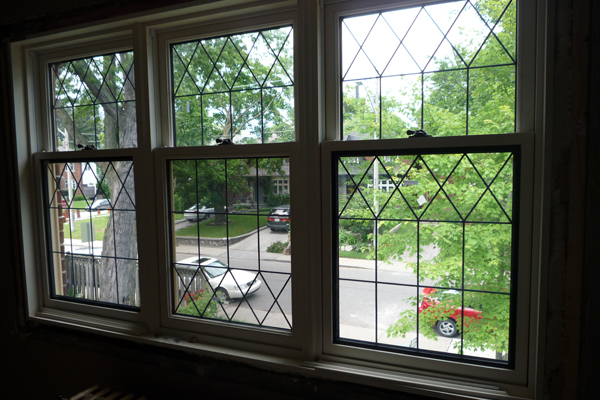
Flush Fit Windows
Flush fit windows remain one of the most popular styles across modern and traditional styles. Their defining feature is the opening sash sitting completely flush, or level, with the window frame when closed—creating a clean sightline.
Understanding Energy Performance
U-Values: The U-value measures how much heat escapes through your windows—lower values indicate better insulation. Typical ranges: Good performance 1.0-1.4 W/m²K (modern double glazing). Building Regulations 2023 set a maximum U-value of 1.4 W/m²K for replacement windows.
Window Energy Ratings (WER): Target at least A-rated windows when making replacement decisions. A-rated windows typically save approximately £195-£235 annually on energy bills compared to single glazing.
Argon Gas & Advanced Glass: Modern high-performance double glazing includes argon gas fill in the cavity between panes. While argon gas significantly improves thermal insulation, it does NOT reduce noise transmission. Noise reduction depends on glass thickness and cavity width. Low-E coatings reflect radiant heat back into your home while allowing visible light through, providing superior energy performance especially when combined with argon gas.
Double Glazing vs. Triple Glazing
Triple glazing (three panes of glass with two sealed cavities) is becoming more common. For most UK homes in moderate climates, high-quality double glazing represents the optimal balance of performance, cost, and practicality. Triple glazing makes sense for cold northern climates, Passive House projects, or homeowners prioritizing heating cost reduction. For most UK properties, including those in Buckinghamshire, high-quality double glazing with A or A+ ratings provides excellent performance and represents the best value.
Your Window Buying Checklist
Step 1: Assess Your Priorities – Identify what matters most: energy efficiency, aesthetics, security, or budget.
Step 2: Choose Your Frame Material – Select based on your priorities: Budget (uPVC), Durability (Aluminium or Timber), or Traditional Appeal (Timber).
Step 3: Select Your Window Style – Choose based on your home’s architecture and functional needs.
Step 4: Check Energy Ratings – Target A-rated windows with U-values of 1.4 W/m²K or better. Look for argon gas as standard.
Step 5: Verify Security Features – Ensure multi-point locks, toughened glass for ground-floor windows, and reinforced frames.
Step 6: Compare Warranties – Look for minimum 10-year product warranty and FENSA or LABC accreditation confirming Building Regulations compliance.
What Crown Offers
At Crown, we install each of the stunning window styles listed above—casement, sliding sash, tilt and turn, Georgian, lead, and flush fit—bespoke to your unique requirements, with double glazing as standard. We offer a free no-obligation quote on all products.
Crown are proud to have over 20 years of experience serving communities across Buckinghamshire and beyond, gaining a reputation as one of the area’s finest double glazing companies. All our installations come alongside a 10-year warranty and insurance-backed guarantee as standard. Leading bodies like FENSA, Team Guardian, and LABC accredit us.
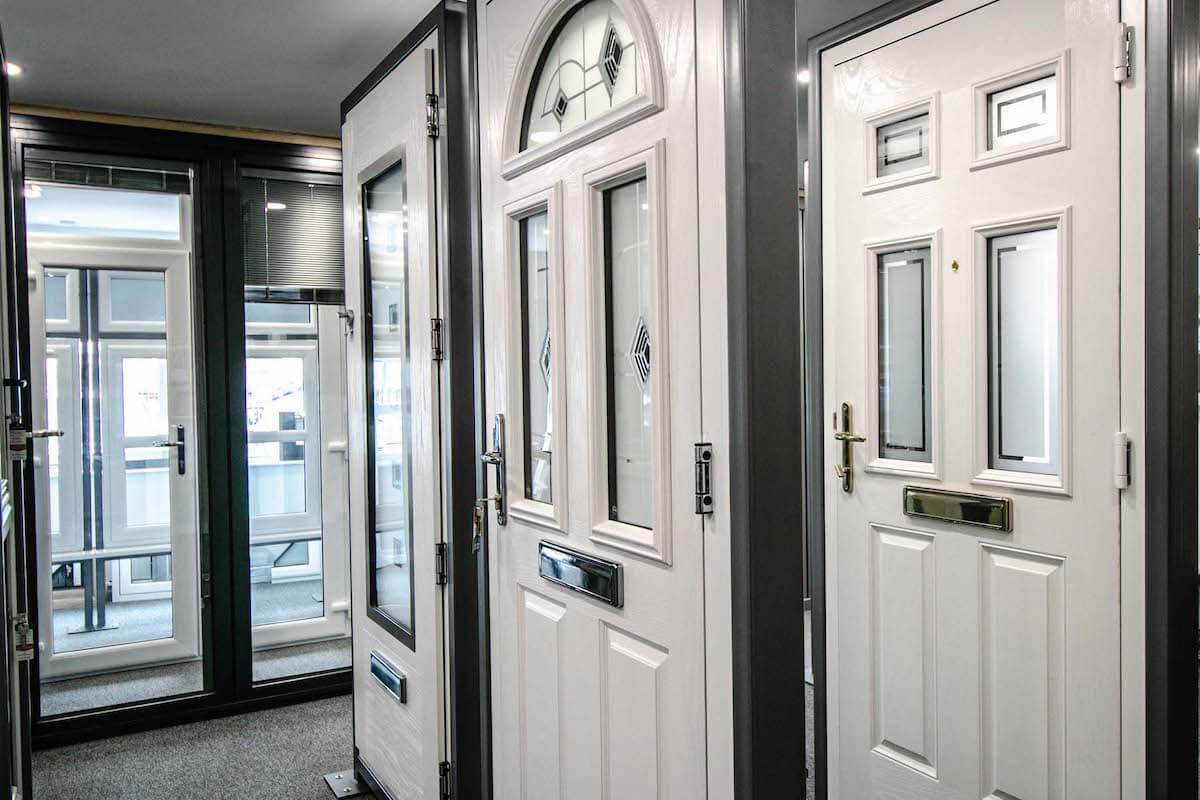
As well as champion window installation, we also provide a huge range of impressive doors (including patio doors) and conservatories, with our showroom in Milton Keynes the perfect place to view our product quality for yourself.
Get Your Free Quote Today
Choosing the best double glazed windows for your home doesn’t have to be complicated. With this guide, you now understand the factors that determine the best windows for your situation. Crown has the expertise and product range to deliver exactly what your home needs.
Contact Crown’s specialist team today to discuss your requirements and receive your free, no-obligation quote.